Casino Gran Madrid (Spain): 2026 Review of the Madrid Region’s Flagship Casino
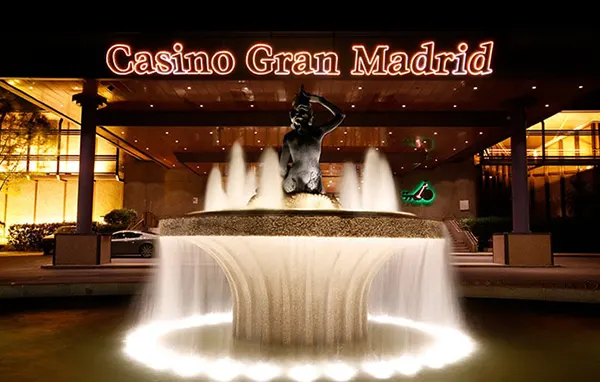
Gran Madrid Casino Torrelodones sits on the A-6 corridor just outside the capital and has been part of Madrid’s leisure scene for decades. It is widely described by Madrid’s official tourism channel as the largest casino in Spain, and it is also recognised as the first casino to open in the Region of Madrid, with more than 40 years of activity behind it. For a visitor in 2026, the appeal is straightforward: a classic land-based casino floor, an active poker offer, a dedicated events hall, and an on-site dining area that works for both a quick bite and a longer evening.
Location, access, and what “a night out” looks like here
The casino is in Torrelodones, on the outskirts of Madrid, positioned by the A-6 motorway (Autovía A-6, around kilometre 29). If you are coming by car, that motorway placement is the main advantage: you can treat it as an evening trip rather than a city-centre commitment, and return to Madrid without relying on late-night urban transport. Visitors often plan the evening in two parts: a set time on the gaming floor, then a break for food or an event, and only then a second session.
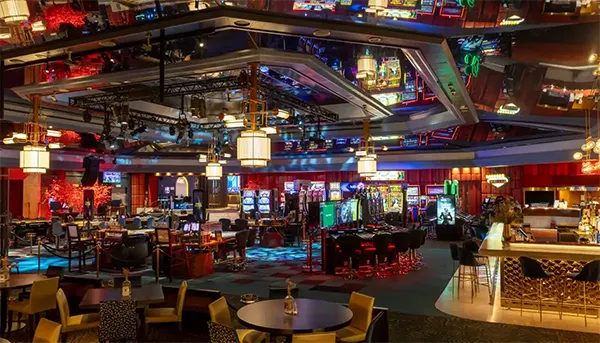
In practical terms, this is not a small room with a few tables squeezed in. The Torrelodones property has multiple areas, including a French-style hall that functions as a multi-purpose events space. That matters because the venue is regularly used for poker tournaments and non-gaming events such as concerts and boxing nights, which changes the atmosphere compared with a casino that only does gaming.
If you are choosing between Torrelodones and a city-centre venue, the simplest rule is this: Torrelodones is built for scale and long evenings, while central locations are often more about convenience. The Madrid tourism listing explicitly frames Torrelodones as the major site, which is a useful baseline when you want the “main” property rather than an annex or a smaller lounge.
Entry rules, ID checks, and planning your budget realistically
Expect controlled entry. In Madrid, casinos operate with access checks, and responsible gambling rules are not optional extras. If you have never been to a Spanish casino, bring valid identification and assume you may need a short registration step before entering the gaming areas. This is normal and designed to support access control requirements.
Budgeting matters more than people think because minimum stakes can feel higher in a flagship venue than in smaller local casinos. The best approach is to decide your ceiling before you arrive, split it into two or three “sessions”, and keep your cash handling simple. If you are using cards or cash machines, treat that as a separate decision point rather than something you do automatically when the first session goes badly.
For anyone who wants a hard stop, Madrid has a formal self-exclusion route via the Community of Madrid’s Register of Interdictions of Access to Gambling. Spain also maintains a national register used for online access control. These systems exist so that a person can request to be barred from gambling access, and the mechanisms are part of the broader responsible gambling framework rather than a marketing message.
Games and the overall floor offer in 2026
Casino Gran Madrid Torrelodones is a traditional, mixed-offer venue: you will find mainstream table games alongside slot machines, with poker treated as a core pillar rather than a side table. The official tourism description highlights American roulette, baccarat, blackjack, and both cash poker and electronic poker variants, which fits what visitors expect from a large Spanish casino.
Slots are present as a major component of the floor, but the key point is variety rather than chasing any single “must-play” machine. A venue of this size typically rotates and updates its selection, so the practical question is not “does it have X title” but “does it have enough choice in volatility, denomination, and style to suit different budgets”. For most visitors, that translates into starting with a familiar game type, then shifting only when you have a clear reason.
If you prefer table play, timing is your friend. Arriving earlier in the evening generally gives you more freedom to choose a table that matches your pace and bankroll, while peak hours can feel more intense and less forgiving. In a large venue, it is also common to see different “zones” where the vibe changes—quieter corners for steady play and busier areas where spectators and group energy are higher.
Poker: cash games, tournaments, and why Torrelodones is known for it
Poker is not treated like an afterthought here. The tourism listing points to cash poker and a larger events setting, and the Torrelodones property is regularly associated with major tournaments hosted in its multi-purpose hall. Even if you do not play tournaments, that schedule can shape your visit: tournament days bring a different crowd, different waiting times, and often a more social, competitive mood across the building.
If you are deciding between cash games and a tournament entry, think in terms of time control. A cash session can be capped easily—set a time limit, take breaks, leave. A tournament has a built-in structure that can run long, and the emotional rhythm is different. For newer players, it is usually safer to treat a first visit as observation plus a short cash session, rather than committing to a full tournament day.
Finally, remember the “non-gaming” pull of the poker ecosystem. Even when you are not seated, the venue’s events hall and social areas can make the night feel broader than pure gambling. That is useful if you are visiting with friends who want different things from the evening—one person plays, another prefers the bar, someone else is there for an event.
Food, events, and the parts of the venue people underestimate
The Torrelodones property is not only about gaming tables. One reason it works as a full evening destination is the presence of a defined food-and-drink area and an events programme. The tourism listing notes that the French hall is used for major poker tournaments as well as concerts and boxing matches, which is a strong sign that the venue positions itself as entertainment-led, not just gaming-led.
On-site dining is commonly associated with Cubik, described as a gastroclub-style space with multiple areas. In practice, that matters because it gives you a built-in way to manage your evening: you can step out, eat properly, reset your head, and decide whether to return to the floor. From a responsible play perspective, a planned meal break is one of the simplest and most effective control tools you can use.
If you are visiting in a group, the best plan is to lock in the “non-gaming” part first—dinner booking or event timing—then fit gambling around it. That approach reduces the risk of drifting into open-ended play, and it also makes the evening more enjoyable for mixed groups where not everyone wants to gamble for hours.
Responsible play and practical etiquette for a smooth visit
Responsible gambling is not a slogan; it is a set of behaviours you can apply on the spot. Set your spending cap, take timed breaks, avoid chasing losses, and do not mix heavy drinking with decision-heavy table play. If you feel your judgement slipping, the correct move is to step away—not to “win it back” quickly.
Etiquette is simple but important in a busy venue. At tables, keep your actions clear, follow dealer instructions, and avoid distractions that slow the game down for everyone. In poker areas, be patient with seating processes on busy nights and treat staff guidance as the fastest route to getting in the right place.
For anyone who wants a formal barrier, Madrid provides a self-exclusion route through the Community of Madrid register, and Spain’s national register supports access control for online gambling. If you are visiting with someone who has concerns about their gambling habits, it is worth knowing these options exist before you arrive—because the right time to plan safeguards is not after a bad night.