Europe’s Oldest Land-Based Casinos: How Historic Gambling Halls Operate in 2026
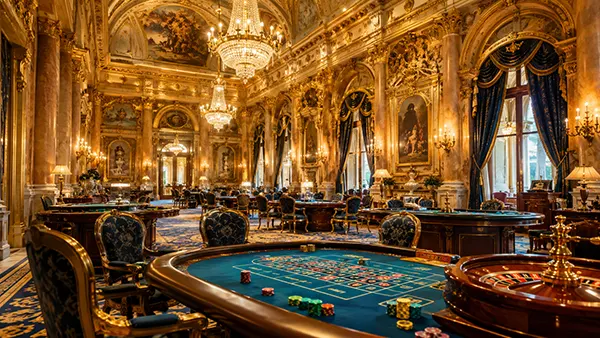
Europe is home to some of the oldest casinos still in operation, with several establishments tracing their origins back more than a century and, in some cases, more than two centuries. While gambling technology, customer expectations, and regulatory frameworks have changed significantly, these historic venues continue to attract visitors in 2026. Their survival is not based solely on tradition. Instead, they have adapted to modern requirements while preserving architectural heritage, cultural significance, and classic gaming experiences that cannot be replicated elsewhere.
The Historic Casinos That Continue to Shape European Gambling
Among the most recognised examples is Casino di Venezia in Italy, widely regarded as the world’s oldest operating casino. The venue occupies the Ca’ Vendramin Calergi palace on Venice’s Grand Canal and traces its gambling history to the seventeenth century. Today, visitors can still enjoy table games and electronic gaming options while surrounded by Renaissance architecture that reflects centuries of European history.
Another notable example is Casino de Spa in Belgium. The city of Spa has long been associated with leisure tourism and wellness, and its casino remains one of Europe’s most historically important gambling venues. Over the years, the establishment has undergone extensive renovations while maintaining many original design elements that attract both gaming enthusiasts and tourists interested in cultural heritage.
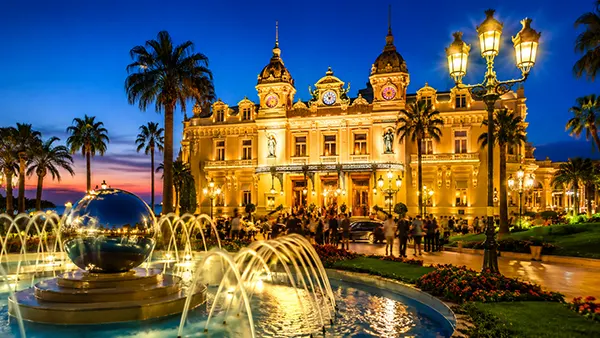
Casino de Monte-Carlo in Monaco continues to represent the connection between luxury tourism and gambling. Opened in the nineteenth century, it remains one of the most recognisable casinos in the world. In 2026, the venue combines traditional table games with advanced customer services, security systems, and entertainment programmes while preserving the elegant atmosphere that made it famous.
Why Historic Venues Still Attract Visitors
Many visitors travel to these casinos for reasons that extend beyond gambling. Historic buildings, grand interiors, and cultural significance often play an equally important role. A visit to a centuries-old casino can resemble a museum experience, particularly for tourists interested in architecture, local history, and European traditions.
These venues also benefit from strong international recognition. Unlike newer casinos that must compete through marketing campaigns, many historic gambling halls already possess global reputations built over decades or centuries. Their names frequently appear in travel guides, documentaries, and historical publications.
Events contribute significantly to their continued popularity. Historic casinos regularly host concerts, exhibitions, charity events, conferences, and fine dining experiences. By expanding beyond gambling activities, they attract a broader audience and reduce reliance on gaming revenue alone.
Modern Technology Inside Traditional Gambling Halls
Although these casinos are known for their history, their daily operations rely heavily on modern technology. Advanced surveillance systems, biometric access controls, and AI-assisted security monitoring help operators comply with increasingly strict regulatory requirements across Europe.
Payment methods have also evolved considerably. In 2026, many historic casinos support cashless transactions, digital wallets, and instant banking solutions. International visitors expect convenient payment options, and operators have adapted without compromising the traditional atmosphere of their venues.
Customer relationship management systems play a major role in modern casino operations. Historic venues use data analysis tools to understand visitor preferences, manage loyalty programmes, and improve guest services. These technologies allow operators to remain competitive with contemporary entertainment venues while maintaining their unique identity.
Balancing Preservation and Innovation
One of the greatest challenges facing historic casinos is integrating modern infrastructure without damaging protected architectural features. Many buildings are classified as cultural heritage sites, which means renovations must comply with strict preservation rules established by local authorities.
Technology installations often require customised solutions. Security equipment, networking infrastructure, and gaming systems must be carefully integrated into historic interiors. This process can be more complex and expensive than upgrading a modern casino building.
Despite these challenges, successful operators recognise that preservation and innovation are not mutually exclusive. Many historic casinos have demonstrated that it is possible to introduce modern services while retaining the character that makes the venue unique and historically valuable.
Regulation, Tourism, and Business Models in 2026
European gambling regulation continues to evolve, affecting both historic and contemporary casinos. Operators must comply with strict anti-money laundering requirements, responsible gambling measures, customer identification procedures, and financial reporting standards. Historic venues face the same obligations as newer establishments.
Tourism remains one of the most important sources of revenue. Cities such as Venice, Monte Carlo, and Spa attract millions of visitors each year, creating a steady flow of potential customers. Many guests visit these casinos as part of a broader travel experience rather than solely for gambling purposes.
Diversified business models have become increasingly important. Historic casinos now generate revenue through hospitality services, luxury events, restaurants, guided tours, cultural activities, and partnerships with local tourism organisations. This approach helps reduce financial dependence on gaming activities alone.
The Future of Europe’s Historic Casinos
Industry analysts expect historic casinos to remain relevant throughout the coming decade. Their combination of cultural heritage, architectural significance, and regulated gambling experiences creates a competitive advantage that newer venues often struggle to match.
Sustainability initiatives are becoming more common. Many operators are investing in energy-efficient systems, environmentally responsible renovation projects, and resource management programmes designed to reduce operational costs while meeting modern environmental expectations.
As 2026 progresses, Europe’s oldest casinos continue to demonstrate remarkable adaptability. By combining centuries of history with contemporary technology, regulatory compliance, and diversified tourism services, these institutions remain important landmarks within both the gambling industry and European cultural heritage.