Pechanga Resort Casino: Expansion Strategy and Its Role in Tribal Gaming in California
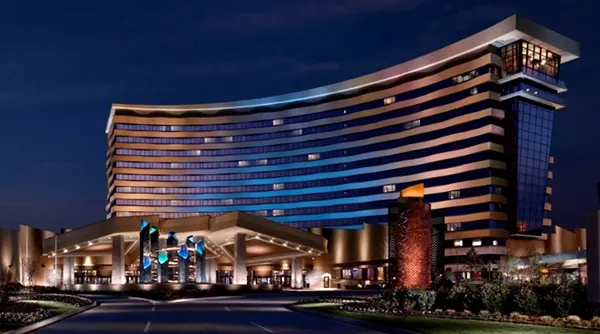
Pechanga Resort Casino in Temecula, Southern California, is widely regarded as one of the most influential tribal gaming enterprises in the United States. Owned and operated by the Pechanga Band of Indians, the resort has evolved from a regional casino into a large-scale integrated complex combining gaming, hospitality, entertainment and tribal economic development. As of 2026, Pechanga remains not only one of the largest tribal casinos in California, but also a case study in how sovereign tribal nations leverage gaming compacts to build long-term financial stability, infrastructure and community services.
The 2018–2026 Expansion: Scale, Investment and Infrastructure
The most transformative moment in Pechanga’s recent history was the $300 million expansion completed in 2018, which added a new 14-storey hotel tower, 568 additional guest rooms and suites, a 4.5-acre resort pool complex and significant meeting space. This expansion increased the total number of hotel rooms to more than 1,090, positioning Pechanga as the largest resort casino in California. The project was financed through tribal economic resources and structured lending, reinforcing the financial autonomy of the Pechanga Band.
By 2026, Pechanga’s gaming floor spans approximately 200,000 square feet, offering over 5,000 slot machines and around 150 table games. The property also includes a 1,200-seat theatre, a 25,000-square-foot spa, multiple fine-dining and casual restaurants, and extensive convention facilities. This diversification reflects a broader strategy: gaming revenue remains central, but non-gaming income from hospitality, events and tourism has become increasingly important in stabilising annual performance.
Importantly, the expansion was not limited to physical infrastructure. Pechanga invested in upgraded surveillance systems, cashless gaming technologies and enhanced responsible gambling programmes in line with California tribal-state compact requirements. By 2026, digital wallet integrations and loyalty system modernisation have aligned Pechanga with evolving industry standards across major US gaming jurisdictions.
Economic Impact on the Pechanga Band and the Region
Gaming revenue generated by Pechanga Resort Casino plays a direct role in funding tribal government operations, healthcare, housing, education scholarships and cultural preservation initiatives for members of the Pechanga Band. Unlike commercial casinos that distribute profits to shareholders, tribal gaming revenues are reinvested into community infrastructure under the Indian Gaming Regulatory Act (IGRA) framework.
Beyond tribal governance, Pechanga is one of the largest private employers in Riverside County, providing thousands of jobs in gaming operations, hospitality, food services, security and event management. As of 2026, employment figures regularly exceed 5,000 staff members. The multiplier effect supports local suppliers, tourism businesses and regional tax revenue through indirect economic activity.
Temecula’s transformation into a hospitality and wine tourism hub has been partly reinforced by Pechanga’s presence. Convention visitors and entertainment guests contribute to local hotel occupancy and restaurant spending, demonstrating how large tribal resorts can anchor regional economic ecosystems without compromising tribal sovereignty.
Regulatory Framework and Tribal Sovereignty
Pechanga operates under the Indian Gaming Regulatory Act of 1988, which establishes the legal foundation for tribal gaming in the United States. In California, tribal casinos function through negotiated compacts between tribes and the state government. These compacts define permitted gaming activities, revenue sharing arrangements and regulatory oversight mechanisms.
Unlike commercial casinos in Las Vegas or Atlantic City, Pechanga benefits from sovereign status. This means the Pechanga Band retains primary authority over internal governance and certain regulatory aspects, while still complying with compact obligations and federal oversight through the National Indian Gaming Commission. The balance between autonomy and accountability remains central to the tribal gaming model.
In recent years, California voters have considered ballot initiatives related to sports betting and expanded gaming rights. As of 2026, in-person sports wagering at tribal casinos remains part of ongoing political negotiation, following the failure of 2022 ballot propositions. Pechanga, alongside other major tribal operators, continues to advocate for tribal control over any future sports betting framework in the state.
Position Within the US Tribal Gaming Market
Tribal gaming collectively generates tens of billions of dollars annually across the United States. According to data from the National Indian Gaming Commission, tribal gross gaming revenue exceeded $40 billion in recent reporting cycles, placing the sector on par with major commercial gaming markets. Within California, which is the largest tribal gaming state, Pechanga ranks among the top revenue-producing properties.
Its scale differentiates it from smaller tribal casinos that primarily serve local markets. Pechanga competes directly with large destination resorts in Las Vegas for Southern California customers, offering comparable amenities without requiring interstate travel. This competitive positioning strengthens its market resilience.
By maintaining reinvestment cycles and avoiding overleveraged expansion, Pechanga has demonstrated financial discipline that contrasts with some commercial casino bankruptcies seen in previous decades. Its long-term stability reflects strategic planning rooted in community priorities rather than short-term shareholder pressure.

Strategic Development and Future Outlook to 2026 and Beyond
Looking ahead, Pechanga’s development strategy focuses on measured growth rather than aggressive expansion. Management has prioritised property modernisation, technology upgrades and targeted entertainment programming to maintain high occupancy and gaming engagement without overextending capital commitments.
Sustainability initiatives have also gained prominence. The resort has implemented energy-efficient lighting, water conservation systems and waste reduction policies aligned with California environmental standards. As climate and regulatory pressures increase statewide, large hospitality complexes such as Pechanga are adapting operational practices to reduce long-term costs and environmental impact.
Another strategic dimension is diversification beyond traditional slot-dominant gaming floors. Market trends indicate gradual growth in experiential entertainment, esports events, culinary tourism and wellness services. Pechanga’s convention facilities and theatre infrastructure provide flexibility to capture these segments as consumer behaviour evolves.
Community Investment and Cultural Continuity
While Pechanga operates as a large commercial-grade resort, its underlying purpose remains tied to the Pechanga Band’s cultural and economic continuity. Revenues support language preservation programmes, tribal museums and historical education efforts that safeguard Luiseño heritage.
Healthcare access for tribal members has significantly improved through casino-funded clinics and insurance programmes. Education grants and higher-learning scholarships provide long-term social mobility, reinforcing the generational impact of gaming revenues beyond immediate financial returns.
By 2026, Pechanga Resort Casino stands as a mature example of how tribal gaming, when managed strategically and within a stable regulatory framework, can balance economic development with cultural preservation. Its expansion has reshaped not only a physical property in Temecula, but also the economic trajectory of the Pechanga Band and the broader regional economy.